%20RGB%20V1.0-256x256.avif)
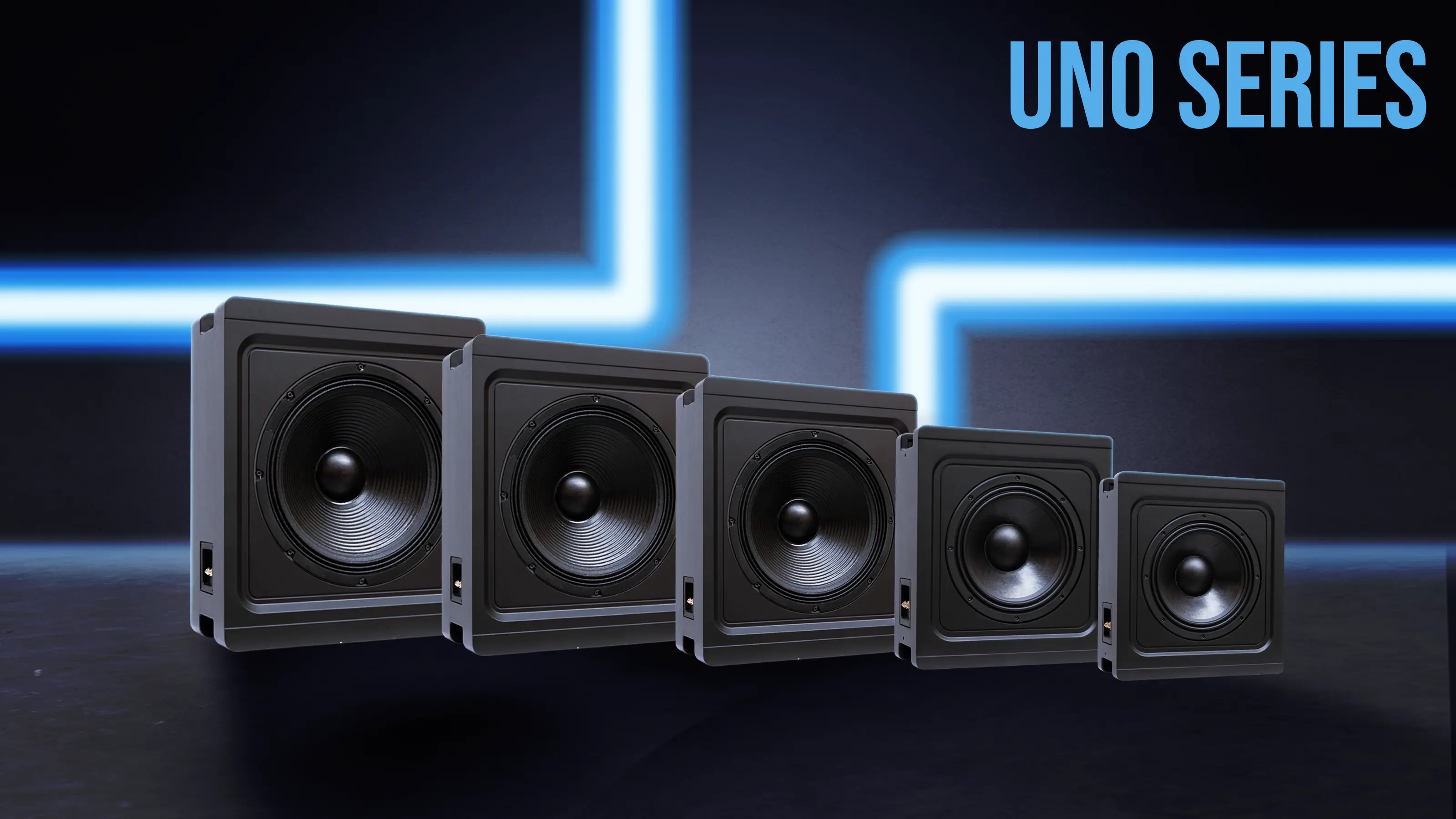
The UNO Series is a complete new low-frequency line-up from Procella, engineered to deliver reference-quality immersive sound with greater flexibility, scalability, and installation confidence. It expands the Procella ecosystem with subwoofer solutions built for modern residential and commercial cinema environments, and it does so in a way that is unmistakably Procella: the impact, precision, and reliability the name is built on, delivered as a single, coherent system.
UNO is not a refresh of an existing range. It is a platform, conceived from the ground up to give integrators, dealers, and designers a unified low-frequency foundation that scales with the project.
Most subwoofer ranges are catalogues. UNO is not. The five models, U12, U15, U18, U21, U24, share a common engineering philosophy and a single performance signature, deliberately unified across the line. The smaller models are not compromised versions of the larger ones. The larger models are not blown-up versions of the smaller ones. They behave as different scales of the same instrument.
For the integrator, this means that a U15 in a media room, two U18s in a primary cinema, and four U21s in a flagship reference room all draw from the same low-frequency identity. Tonal balance, transient response, and decay characteristics remain consistent across configurations. That predictability is what allows UNO to function as a system rather than a parts list, and what makes it specifiable across an entire client portfolio rather than project by project.
Built on Cinema DNA
Procella's reference points sit inside post-production stages, dubbing theaters, and commercial cinema environments, not HiFi listening rooms. That heritage shapes every UNO model. Cinema audio is defined by sustained output at reference level, low distortion under continuous demand, and impact delivered without fatigue. HiFi subwoofers, by contrast, are tuned for a single seat and a comparatively gentle duty cycle.
In a residential cinema, the soundtrack is the source material. The system has to hold composure through sustained LFE passages, track transients without overshoot, and stay tonally honest at the level the mix engineer intended, at any seat in the room, for the full length of the program. UNO is engineered against that brief, then adapted into enclosure formats that fit private installations without diluting performance.
This is the practical meaning of "Built for Immersive Cinema." It is not a marketing line. It is the design constraint the series was developed against.
UNO is built with the realities of installation in mind. Cabinets are dimensionally rational for behind-screen placement, baffle walls, and dedicated low-frequency chambers. Mounting, amplification, and connectivity have been thought through from the integrator's side of the room, not the brochure's side.
Performance is specified, repeatable, and documented. That is what allows integrators to commit to a design before the room is finished, and what allows projects to move from drawing to commissioning without surprises. A UNO array measured in one room behaves the way the same array behaves in another room of comparable acoustics. Calibration becomes a refinement step, not a recovery effort.
For dealers, predictability is the quiet feature. It is not the line that wins a customer presentation, but it is the reason the next project comes back to you.
The series is built to grow with the system. Smaller rooms can be served by the compact end of the range with the same control and articulation expected of a Procella subwoofer. Larger rooms call on the higher-output models, deployed singly or in arrays of two, four, or more, to deliver the headroom required for full reference-level playback in significant volumes.
What does not change is the system's behavior. The character at moderate level in a small media room is the character at reference level in a large dedicated cinema. That linearity, across rooms, across loads, across configurations, is what scalability has to mean if it is to mean anything at all.
Flexible. Designed for a wide range of spaces, from compact residential rooms to large commercial cinema environments.
Scalable. A clear performance path from a single unit to multi-cabinet arrays, without changing the system's tonal identity.
Reliable. Installer-friendly, dependable, and engineered to perform consistently for the life of the installation.
These are not features. They are the brief.
The series spans five models, each positioned as a chosen scale within one continuous performance envelope.
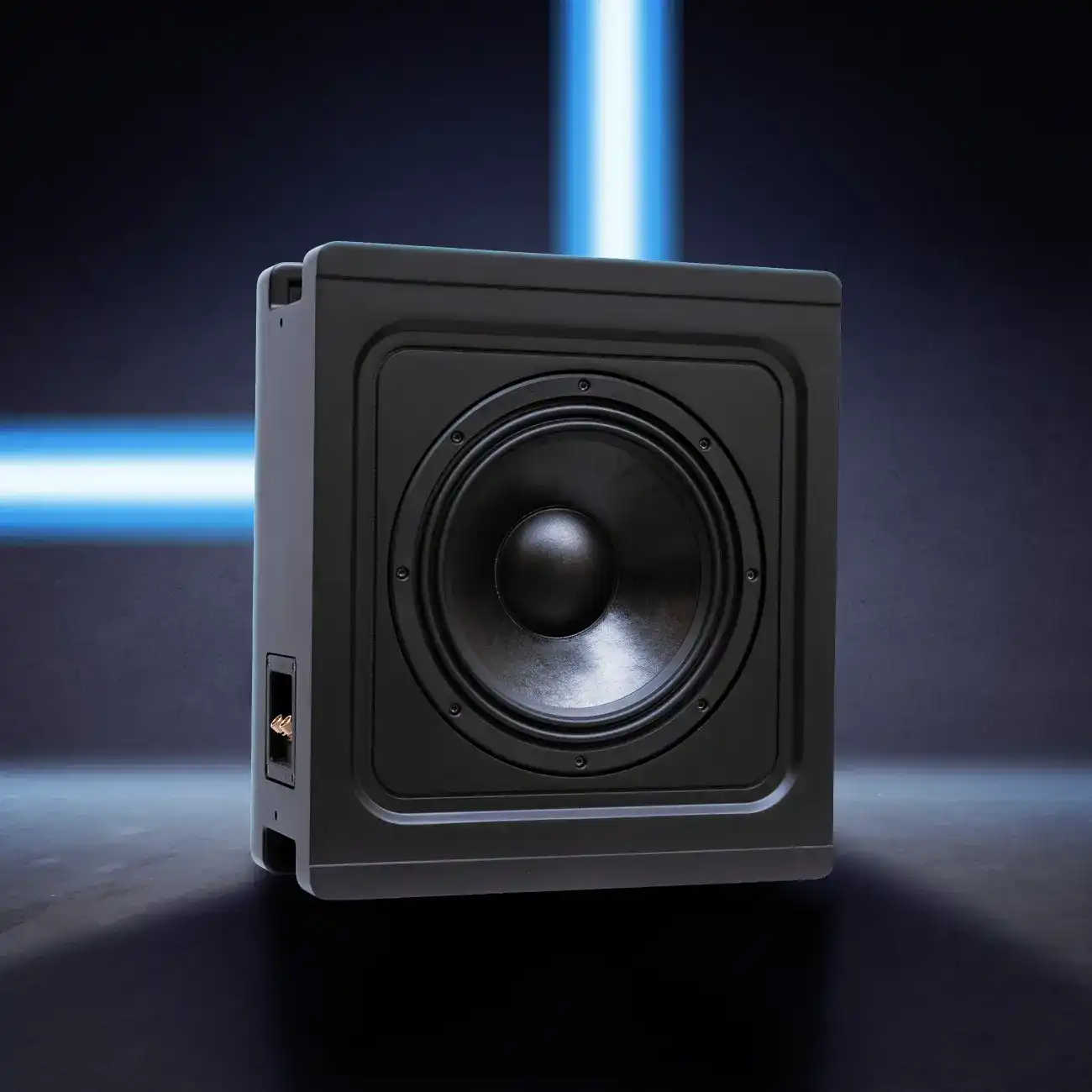
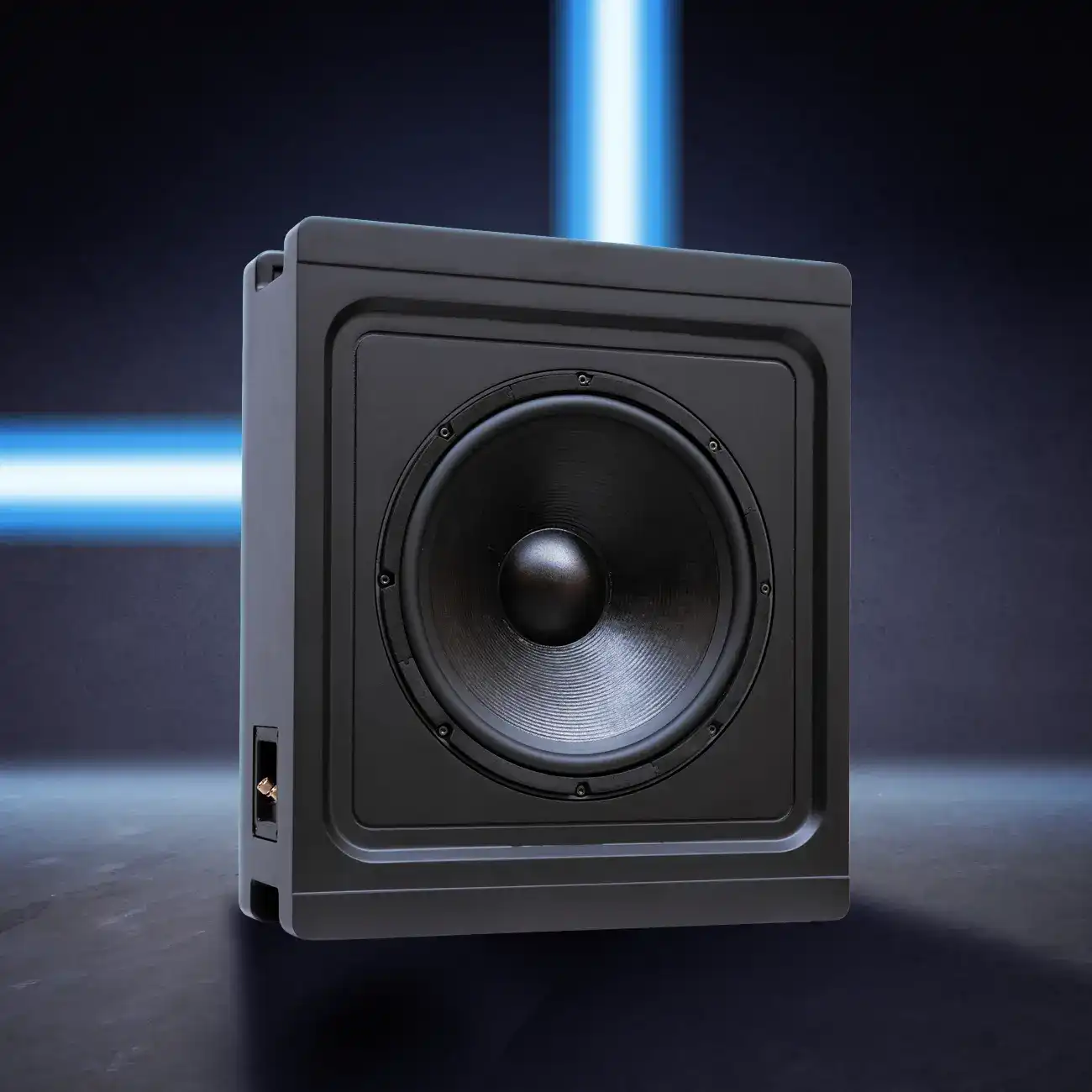
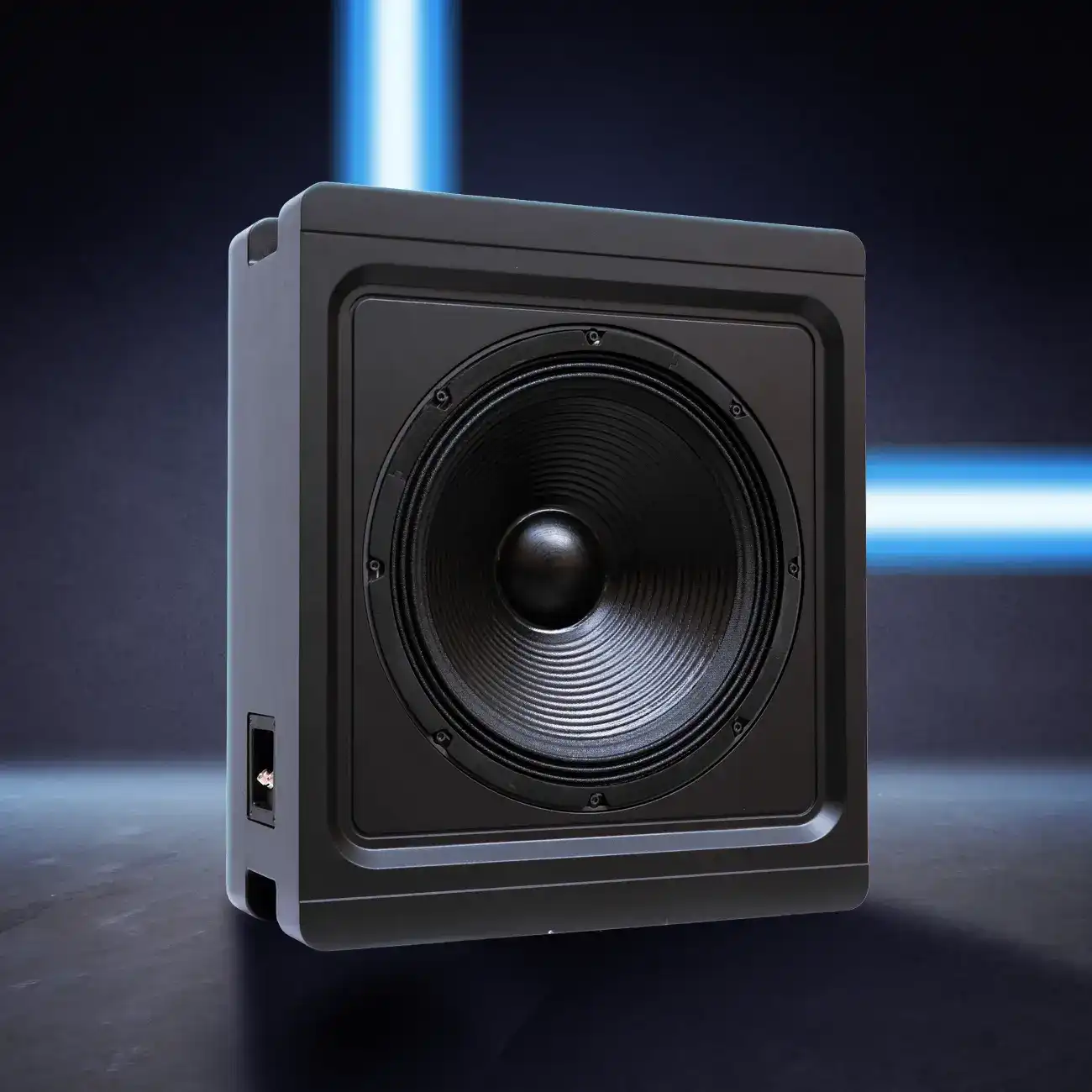
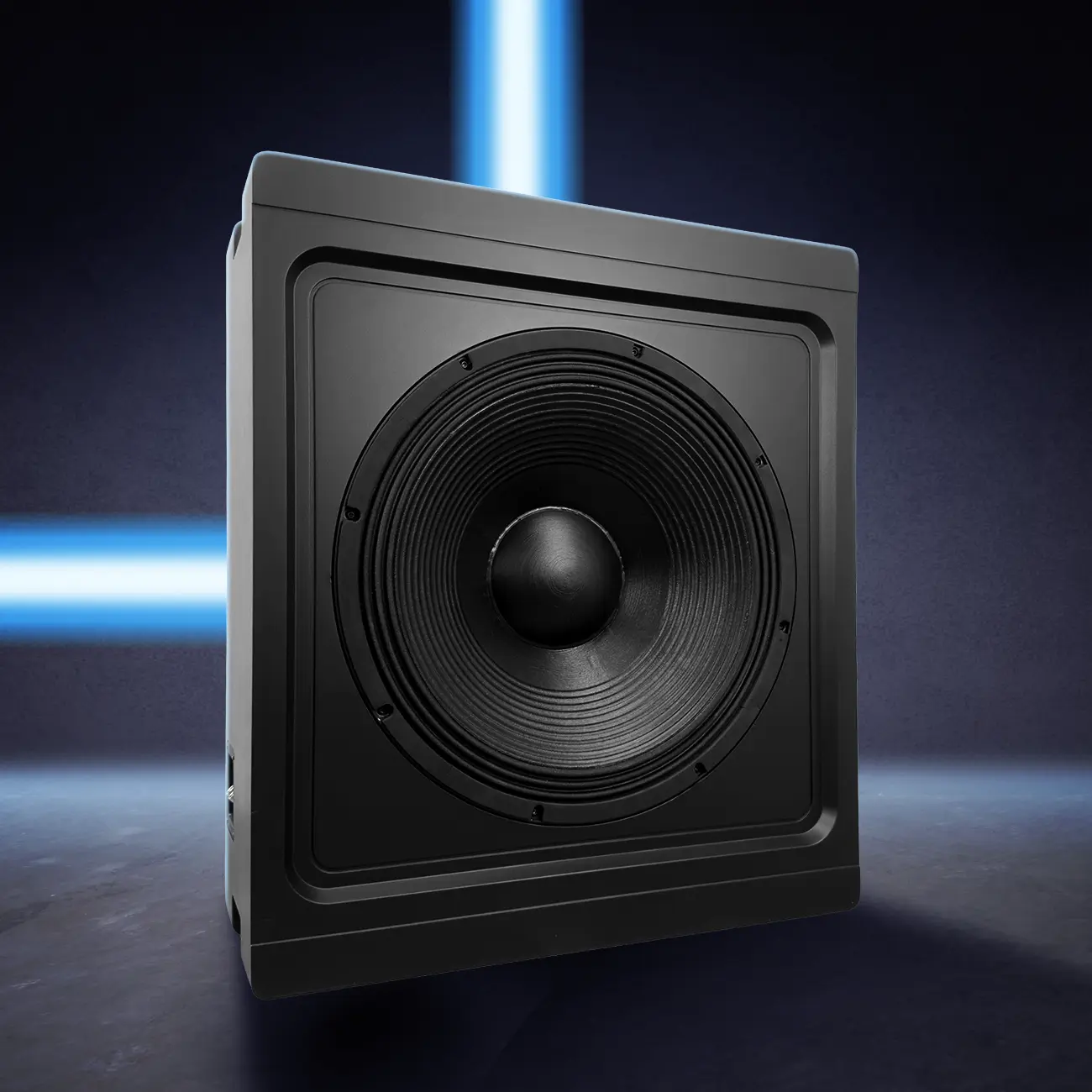
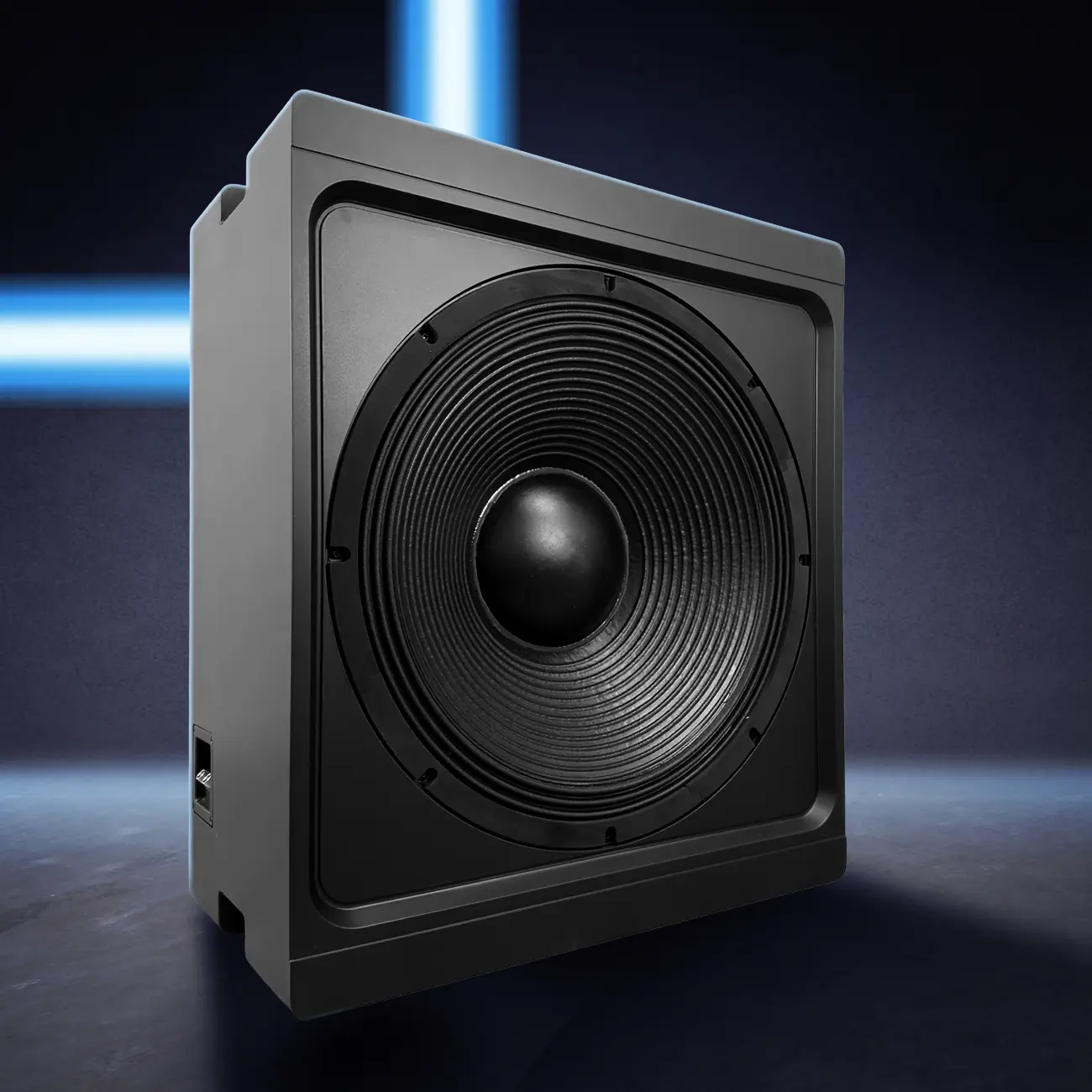
Across the line, the naming is deliberately quiet. The engineering is not.
UNO expands the Procella ecosystem with a low-frequency platform that has been thought through as a single system, not assembled as a range of independent products. It carries the cinema heritage, the engineering rigor, and the consistency under demand that define Procella, and it delivers them with the impact, precision, and reliability that integrators, dealers, and designers can specify with confidence.
For the professionals responsible for projects where margin for error is small, that is the work the UNO Series is built to do.